
Did you know that over 6.7 million Australians now work from home? With almost half the workforce working remotely, businesses need technology that can adapt just as quickly as their teams do.
Short-term computer rentals meet this need perfectly. Instead of buying laptops or desktops for short-term roles, rentals give teams fast access to reliable equipment. You avoid long-term costs, storage issues, and spending on gear that ends up unused.
We’ll walk you through how renting equipment supports remote and contract teams, from faster onboarding to easier scaling during busy periods. By the end, you’ll know when renting makes more sense than buying.
Let’s start with what short-term computer rental actually means for modern teams.
What Is Short-Term Computer Rental?
Short-term computer rental means hiring laptops or desktops for days, weeks, or months instead of buying them outright. You pay only for the time you actually need the equipment, then return it when you’re finished. It’s perfect for contractors, remote workers, and project teams whose tech needs keep changing.
In practice, rentals are pretty straightforward. Need five laptops for a three-month project? You can arrange delivery quickly and extend the rental if the contract runs longer than expected. And you don’t need to do anything either. The rental provider handles delivery, setup, and collection once your rental period wraps up.
So, what type of equipment should you actually rent?
Laptop Rentals vs Desktop Options
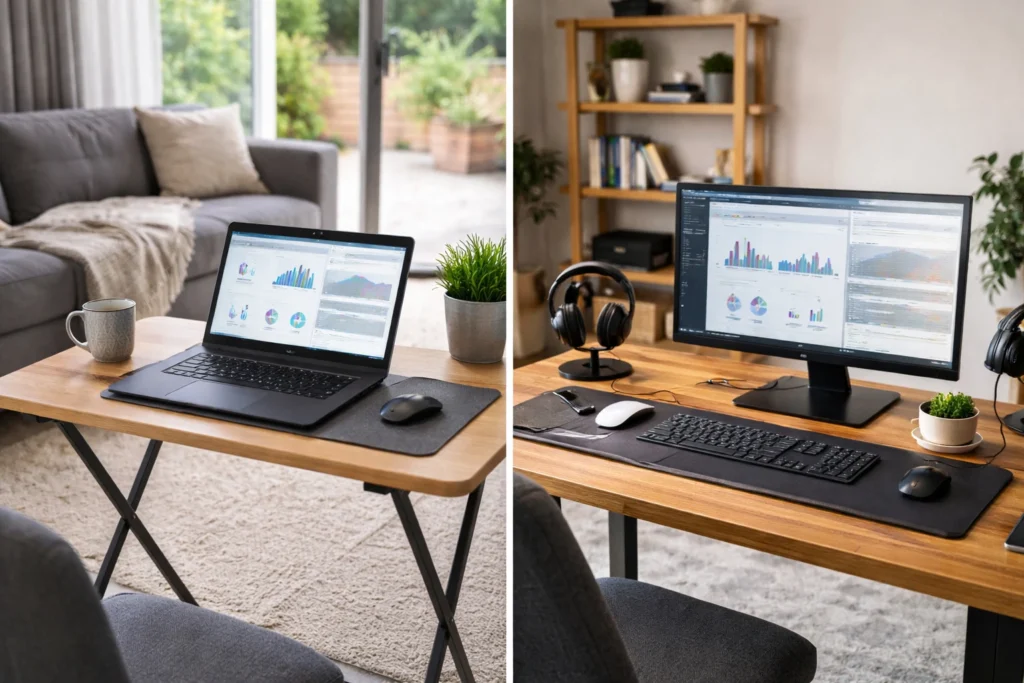
Laptop hire works best for remote staff working from home or moving between locations throughout the week. Desktops, on the other hand, suit temporary office setups or roles that need larger screens and more processing power.
You can also mix both types based on how your team operates. Many companies rent a combination of laptops and desktops to support different roles and work styles across their contract teams.
Save Money: No Upfront Cost Required
The best part about tech rentals is that you skip the massive upfront expense. A decent business laptop costs around $1,500 to $2,000, but renting the same device typically runs $50 to $80 per week. For a three-month contract, you’re spending $600 to $960 instead of thousands. Here’s how the savings work:
- No Large Initial Investment: Instead of dropping thousands on new computers, you pay a manageable weekly or monthly fee based on what you’re actually using. That money stays in your budget for other priorities like hiring, training, or marketing.
- Flexible Payment Options: Most rental agreements let you pay as you go. If a project wraps up early, you’re not stuck paying for gear sitting in storage.
- Tax-Deductible Expenses: Rental fees often qualify as tax-deductible business expenses, which reduces your overall costs even further compared to purchasing assets outright.
For contract teams and project-based work, this approach makes your budget go further without sacrificing quality equipment.
Access High-Performance Laptops Without Breaking the Bank
Let’s be honest. We’ve all bought expensive tech only to find it’s outdated six months later. Technology moves fast, and what’s cutting-edge today feels slow by next year.
The catch? Keeping up with upgrades costs a fortune when you’re buying equipment outright. Rental companies solve this by stocking the latest models with updated specs. Your team gets access to high-performance laptops from leading brands like Lenovo and Apple without the hefty price tag.
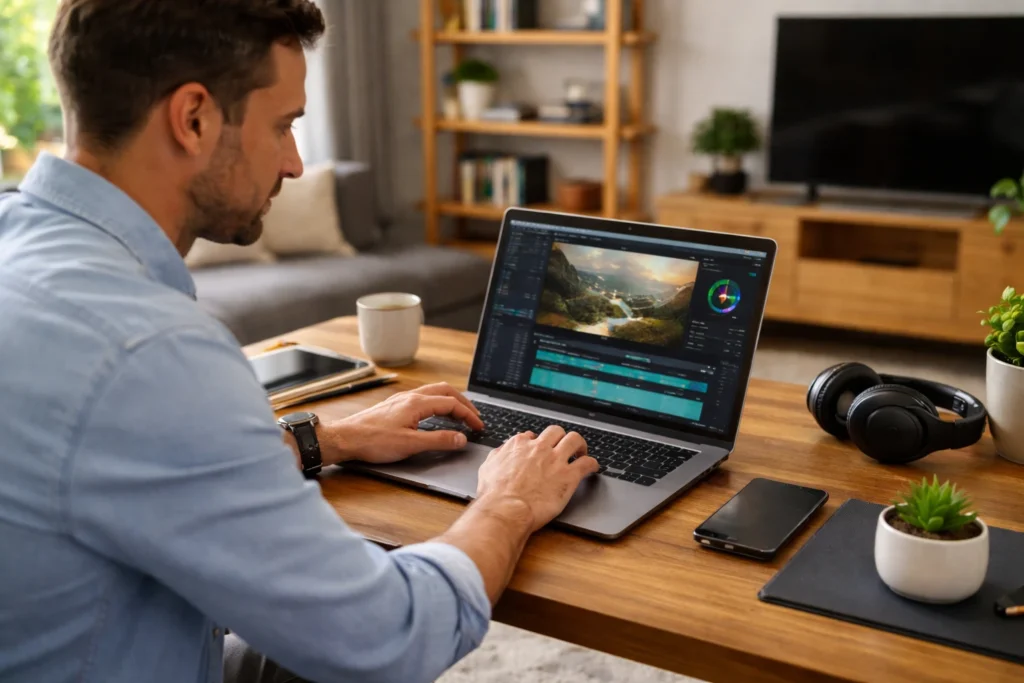
This especially helps when you need machines powerful enough for video editing, design work, or coding. Instead of spending thousands on a top-spec laptop that might only get used for a few months, you rent exactly what you need.
When the project ends, you return the device, but your team stays productive with laptops that can actually keep up with their workload.
Scaling Teams Up or Down Quickly
Let’s say you need to add three contractors next week for a project spike. Or a contract is wrapping up, and you need to return equipment. Rental services handle both scenarios easily. Here’s how:
Adding Equipment for New Contractors
You can onboard new team members faster when laptops arrive ready to use. Most rental providers deliver equipment within 48 hours, sometimes the next day. Each contractor gets reliable, working gear without waiting for purchasing approvals or shipping delays.
Returning Gear When Projects Wrap Up
When the contract ends, you simply arrange pickup and return the equipment. No awkward storage situations or trying to figure out what to do with five unused laptops collecting dust. You stop paying for equipment the moment you return it.
Maintenance Sorted: Tech Rentals Handle the Hassles

One of the biggest perks of rentals is that you never have to worry about repairs or technical failures. Rental companies handle it all. They provide technical support and take care of any repairs during your rental period.
And they’re fast too. From what we’ve seen with Brisbane businesses, most providers swap faulty devices within hours. If a laptop stops working, they typically send a replacement the same day or the next business day.
This way, you skip the stress of finding repair shops, paying technicians, or dealing with warranty claims. That peace of mind alone makes rentals worth considering for contract staff who need reliable equipment without the hassle.
When Does Renting Beat Buying?
Renting beats buying when you need equipment for specific projects or short-term staff rather than permanent roles. Here are the situations where rentals make the most sense:
- Contract Workers on Short Projects: Buying laptops for staff who’ll only be around three to six months doesn’t make financial sense. You’re left with gear nobody needs once they leave.
- Seasonal Workload Spikes: If you run a retail business, you’ll often hire extra staff during busy periods like Christmas or the end-of-financial-year. Renting gives you the computers you need for those months without devices sitting unused the rest of the year.
- Testing Remote Work Setups: Not sure if remote work will stick for your team? Rent equipment first to see how it goes before committing to permanent purchases.
- Temporary Office Setups: Let’s say you’re setting up for a trade show or opening a short-term office for a few weeks. It’s much easier to rent computers than haul your own equipment back and forth.
In short, rent when your need is brief. Buying becomes more costly in the long run when devices sit unused after projects wrap up.
Getting Started with Flexible Rental Options
Short-term computer rentals give you control over tech costs while keeping remote teams properly equipped. You avoid the upfront expense of buying, the hassle of maintenance, and the headache of storing unused equipment after contracts end.
When choosing rental equipment, consider your project timeline, team size, and what your contractors actually need to get their work done.
If you’re looking for flexible rental options in Brisbane and the surrounding areas, reach out to us. We offer short-term computer and laptop rentals tailored to businesses managing remote teams, contract staff, and project-based work.