
If you’re running a short-term project and suddenly need more computing power, buying new hardware can feel like the safe choice. Yes, that is, until you look at the cost. High upfront prices, fast depreciation, and machines sitting idle once the project wraps up can make that decision hard to justify.
This is where computer rental makes more sense. You get the performance you need for as long as you need it, without paying for equipment that ends up unused when the work is done.
This guide breaks down the cost differences between buying and renting, explains when rentals are the better option, and covers what to look for when choosing a rental setup. By the end, you’ll know which approach fits your project, not just your budget.
Could renting save your project thousands? Let’s take a closer look.
The Hidden Costs of Buying (That Rental Avoids)
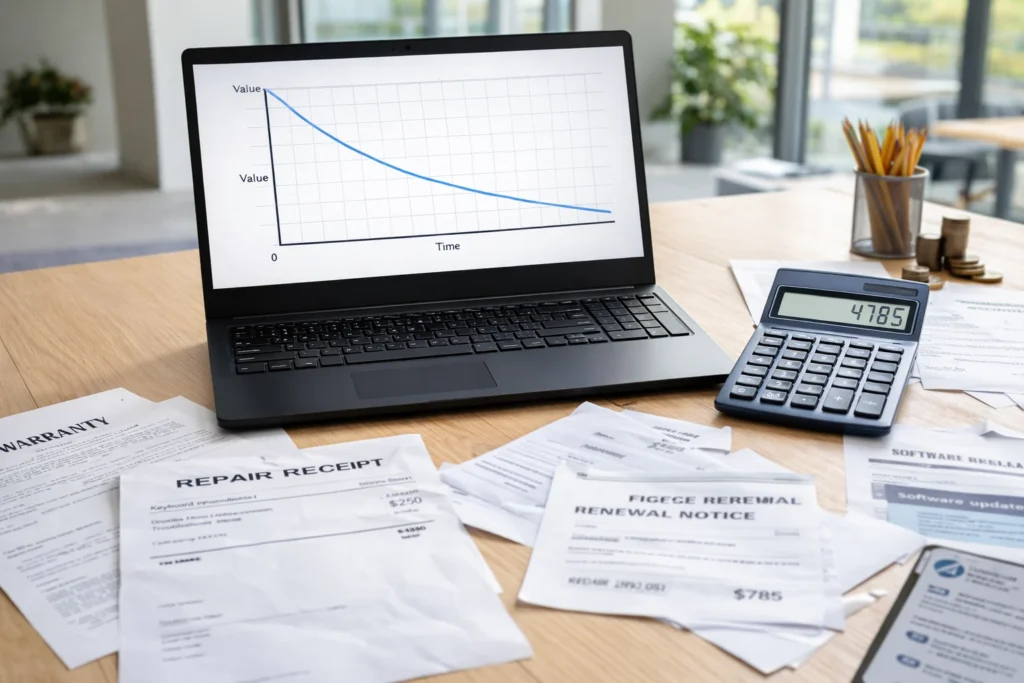
When you buy a computer for a short-term project, the price tag is only the start. The real costs tend to show up later, which is why buying often looks fine at first, then blows the budget once the project is underway.
Here’s what you are usually paying for when you buy:
- Depreciation: A new laptop loses roughly 30% of its value the moment you open the box, and continues dropping by 15-20% each year after that. If your project wraps up in six months, that $2,000 machine might only resell for about $1,200, even if it is still in great condition.
- Maintenance and Support: Hardware fails, operating systems need updates, and technical problems rarely wait for a convenient moment. Over time, those fixes cost more than most teams expect. Dell estimates that, over a three-year lifecycle, the total cost of ownership often exceeds the original purchase price once support, maintenance, and software are included.
- Software Licensing: Many professional tools, like Adobe Creative Cloud, AutoCAD, or Microsoft Office 365, come as annual subscriptions or pricey licenses. You pay the full amount, even if your project only lasts a few months.
This is the part that renting avoids. With computer rental, costs are fixed, support is usually included, and when the project ends, the spending stops with it.
No Maintenance Headaches When You Rent
The most frustrating part of owning a computer isn’t the price, to be honest. It’s what happens when something goes wrong. Dust builds up, updates fail, a drive starts acting up, or the screen flickers at the worst possible time.
When you rent, that headache isn’t yours. The rental company typically handles all repairs, maintenance, and technical support throughout the term. You don’t chase warranty claims or call an IT contractor when something breaks. They either fix it remotely or replace the machine, often within 24 hours (depending on your service level agreement).
This is easy to underestimate at the start of a project. Hardware failures are like curveballs thrown at the worst possible time. A failing drive or broken screen just before a deadline can derail your project if you own the machine. With rentals, the provider keeps your equipment running because downtime reflects poorly on them.
Access the Latest Tech Without the Premium Price
Say you need the latest high-performance laptop with a top CPU, current-generation GPU, and maximum RAM for your project. Buying it outright costs thousands. With computer rental, you get exactly that machine without the huge upfront payment, and the rental company absorbs the depreciation loss instead of you.
It also keeps your budget under control. For example, a video production company might need a dozen high-end workstations for a three-month campaign. Buying them ties up $30,000 in equipment that sits unused after the project ends. Renting? Maybe $6,000 total, and the machines go back when you’re done.
Flexibility to Scale Up or Down as Projects Change
You buy a new computer, and you’re stuck with it. When a project suddenly needs more power, you either struggle with slow machines or scramble to buy new ones.
Computer rental gives you flexibility, and it works in two ways: scaling up when you need more, and scaling down when you need less.
Scaling Up for Peak Periods
Imagine a research team that needs three times the usual processing power for two weeks of intensive modelling. They contact their rental provider and have the extra machines delivered within 48 hours.
That means no long-term commitment or excess inventory to manage afterwards. When deadlines are tight and workloads spike, renting lets you respond instantly instead of rushing to source and deploy new hardware.
Scaling Down Without Financial Loss
Once the heavy lifting is done, you simply return the extra machines and stop paying for them. You never end up with idle equipment draining your budget. A graphic design agency might need twelve workstations for a product launch, then only four for regular work. Renting makes it easy to scale back after the launch, without being locked into equipment you no longer need.
How Rental Payments Improve Cash Flow
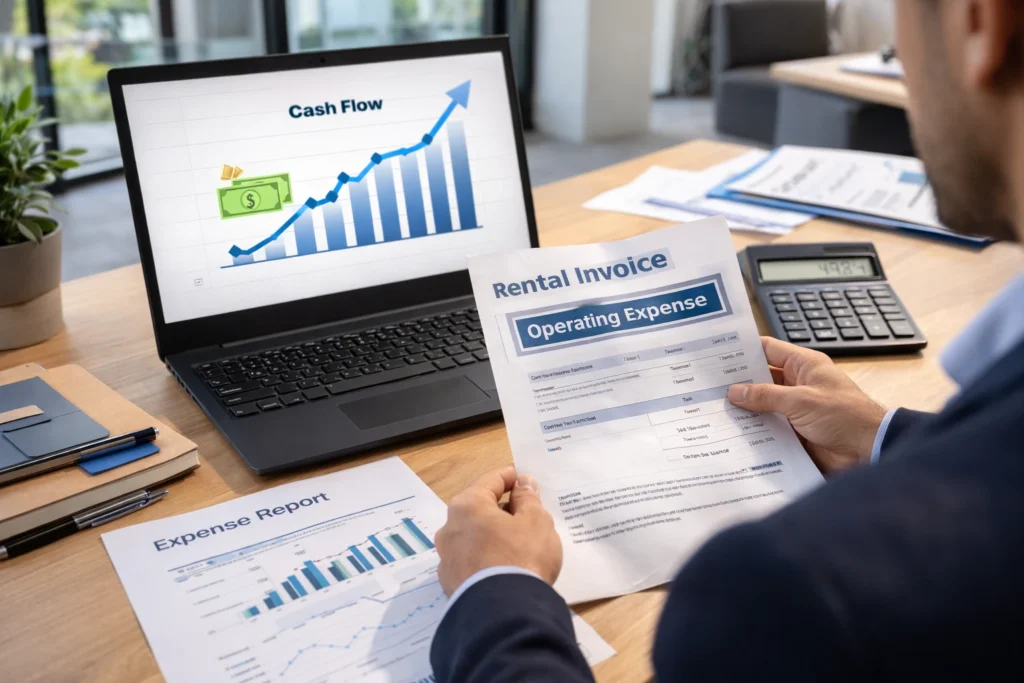
Did you know rental payments can be fully deducted as business expenses in the year you pay them, while purchased equipment must be depreciated over several years? That difference impacts cash flow right away, especially when your project is on a tight timeline.
When you buy computers, you can’t claim the full cost upfront. Instead, the Australian Taxation Office requires businesses to depreciate the asset over its effective life (typically four years for computers). That means you spread the tax deduction across multiple years, which delays the benefit and ties up more working capital during the project.
That’s not all. Rental payments count as operating expenses, so you can claim the full amount in the same financial year. That lowers your taxable income immediately and keeps more cash available for wages, materials, and unexpected project costs.
Streamlined Project Efficiency
One of the biggest benefits of renting is that your projects keep moving. The rental company handles setup, maintenance, and technical support, so your team can focus on delivering results.
For example, a video production team can start editing on high-performance laptops immediately, without waiting for IT to configure machines.
The result is fewer delays and fewer surprises. Equipment is ready when you need it, timelines stay on track, and you avoid unexpected costs. Renting provides the support needed to keep short-term projects efficient and predictable.
Maximising Value from Short-Term Rentals
Renting beats buying for short-term projects because it cuts hidden costs and gives you exactly the hardware you need, when you need it. You sidestep depreciation losses, maintenance bills, and equipment that would otherwise sit idle. At the same time, you get the power your project demands without overspending on hardware you won’t use.
To get the most from your rental:
- Check your project requirements first, so you rent the right specs.
- Scale your equipment up or down as workloads change, paying only for what you need.
- Include rental terms in your budget upfront to avoid surprises.
Ready to simplify your next project and keep costs under control? Contact us to explore flexible rental options that fit your timeline and requirements.